Product review
Medicinal Garden Kit Review (2026): What You Actually Get for $59
Ten heirloom herb seed packets and a printed growing guide, sold by Nicole Apelian. Here is what arrives, which seeds are genuinely difficult, and who should not buy it.
By The Homestead Shelf · Published 25 August 2026 · Research-based review
Affiliate disclosure: we may earn a commission from links on this page, at no extra cost to you. It never changes what we write. Full policy.
Our verdict
4/ 5
Our editorial assessment of value, honesty of the offer and quality of the contents. Not an aggregate of customer ratings.
A fair, genuinely useful themed seed collection for a beginner gardener who wants a curated starting point and a printed reference. The seeds are real heirloom varieties and the 365-day guarantee is unusually generous. What the sales page understates is that three of the ten species are genuinely difficult from seed, and that is the single most important thing to know before you order.
Worth it if
- Beginner gardeners who want a curated set rather than choosing species themselves
- Anyone who prefers a printed reference over bookmarked web pages
- People who want a long guarantee window to try something new
- Gardeners in temperate zones with a real growing season ahead
Skip it if
- Anyone expecting a substitute for medicine — these are seeds, not treatments
- Experienced gardeners who already know which herbs they want
- People without outdoor space, a balcony or decent window light
- Anyone wanting results this month — several species take a full year
- Price
- $59
- Seed packets
- 10
- Guarantee
- 365 days
- Format
- Physical
Affiliate link — opens the official product page.
What you actually get in the box
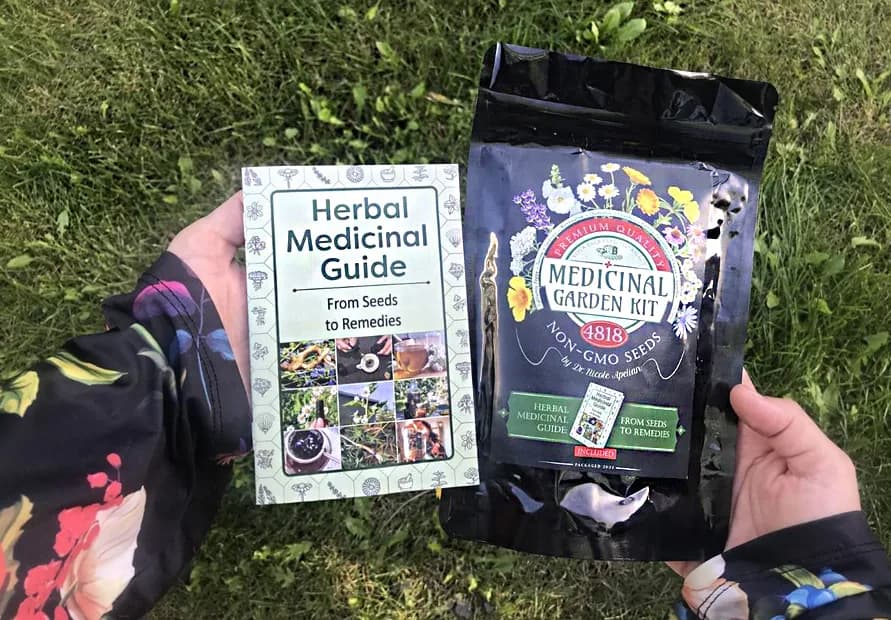
The Medicinal Garden Kit is a physical product. You are buying ten paper seed packets and a printed guide, shipped to you — not a download, not a subscription, and not a plant. That distinction matters more than it sounds, because a lot of the disappointment around kits like this comes from people expecting something closer to a finished herbal remedy set.
Here is the full contents list:
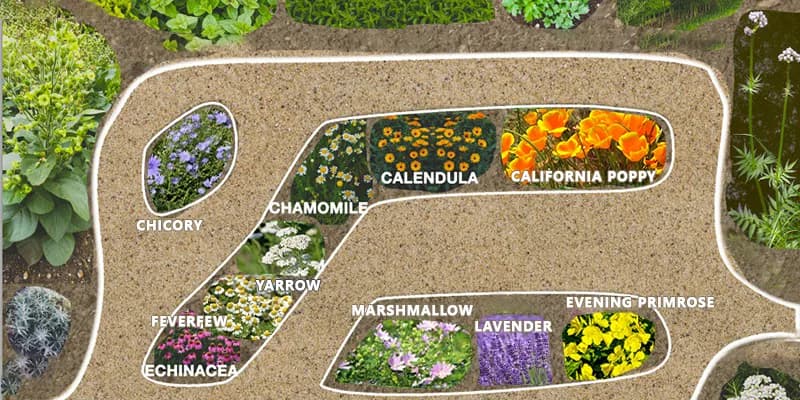
- Ten seed packets — chicory, yarrow, California poppy, marshmallow, chamomile, evening primrose, lavender, echinacea, calendula and feverfew
- 4,818 seeds in total according to the current packaging, spread very unevenly across those ten species
- A printed guide — Herbal Medicinal Guide: From Seeds to Remedies — covering planting and traditional preparation
- Two digital bonus guides, each listed at $29 value: one on household items, one on foraging
The honest part: three of these ten are genuinely difficult
This is the section we would want to read before buying, and it is the one most reviews skip. The ten species in this kit are not equally easy. They fall into three clear groups, and knowing which is which before you sow will do more for your results than anything else in this review.
Easy — sow these first (5 of 10)
Calendula, Chicory, German Chamomile, Feverfew, Yarrow. These germinate readily in ordinary conditions and several will flower in their first season. Calendula in particular is close to foolproof, and it is the right place for a nervous beginner to start.
Moderate — easy, but with one specific catch (2 of 10)
California poppy germinates well but forms a taproot and strongly dislikes being transplanted, so it must be direct sown where it is to flower. Starting it in pots is the single most common reason people fail with it. Evening primrose germinates easily but is a biennial — it will produce a rosette of leaves in year one and will not flower until its second summer. Nothing has gone wrong; that is simply the plant.
Hard — expect uneven results (3 of 10)
Lavender, echinacea and marshmallow are the three that generate most of the complaints about kits like this one, and in every case the reason is horticultural rather than commercial. All three germinate far more reliably after a period of cold, moist stratification — several weeks with the seed in damp sand or a barely damp paper towel in a sealed bag in the refrigerator, simulating winter before spring sowing.
Lavender is the hardest of the three and is difficult from seed for everyone. Commercial nurseries usually propagate it from cuttings precisely because seed-grown lavender is slow and unreliable. If one packet in this kit underperforms for you, the odds strongly favour it being the lavender — and that is the species behaving normally, not a supplier problem.
If you want to see the difference rather than take our word for it, this side-by-side test is the clearest demonstration we have found:
All ten species, one by one
Germination times below reflect general horticultural guidance for each species. We have not yet grown this kit ourselves, and we say so plainly rather than implying test results we do not have.
| Plant | Type | Difficulty | Germination | First flowers |
|---|---|---|---|---|
| Calendula Calendula officinalis | Annual | Easy | 7–14 days | Same season, roughly 6–8 weeks from sowing |
| Chicory Cichorium intybus | Perennial | Easy | 7–14 days | Roots in autumn of year one; fuller in year two |
| German Chamomile Matricaria recutita | Annual | Easy | 7–14 days | Flowers in roughly 8–10 weeks |
| Feverfew Tanacetum parthenium | Short-lived perennial | Easy | 10–14 days | Usually flowers in year one if sown early |
| Yarrow Achillea millefolium | Perennial | Easy | 10–14 days | Often flowers in year two |
| California Poppy Eschscholzia californica | Annual or short-lived perennial | Moderate | 14–21 days | Flowers in roughly 8–10 weeks |
| Evening Primrose Oenothera biennis | Biennial | Moderate | 14–21 days | Flowers in year TWO, not year one |
| Marshmallow Althaea officinalis | Perennial | Hard | 14–28 days, erratic | Roots usable from year two onward |
| Echinacea (Purple Coneflower) Echinacea purpurea | Perennial | Hard | 10–30 days, erratic without stratification | Usually flowers in year two |
| Lavender Lavandula angustifolia | Perennial | Hard | 14–30+ days, often uneven | Meaningful harvest usually year two or three |
Calendula
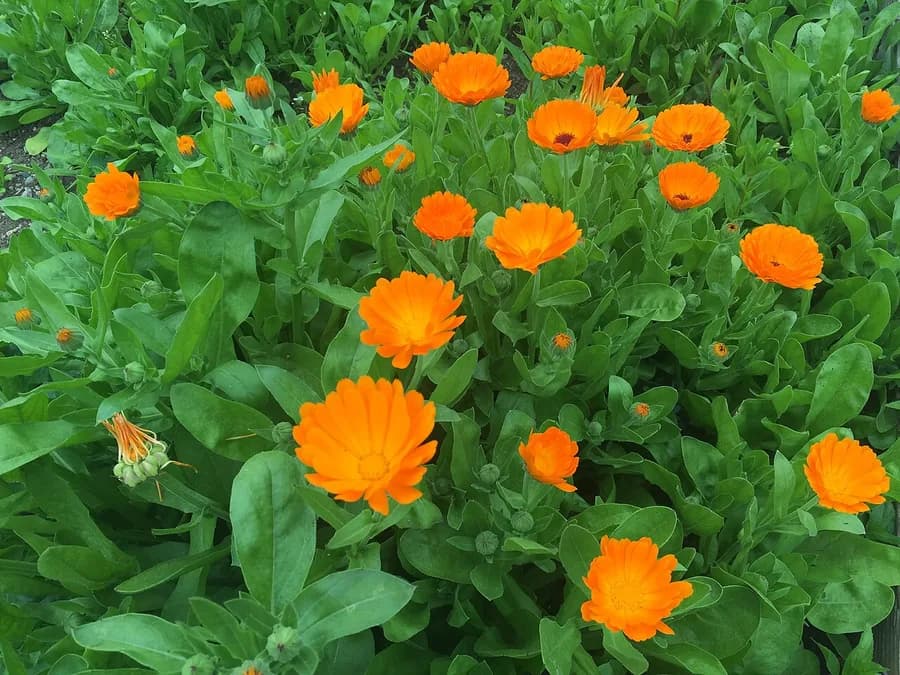
EasyCalendula officinalis · Annual
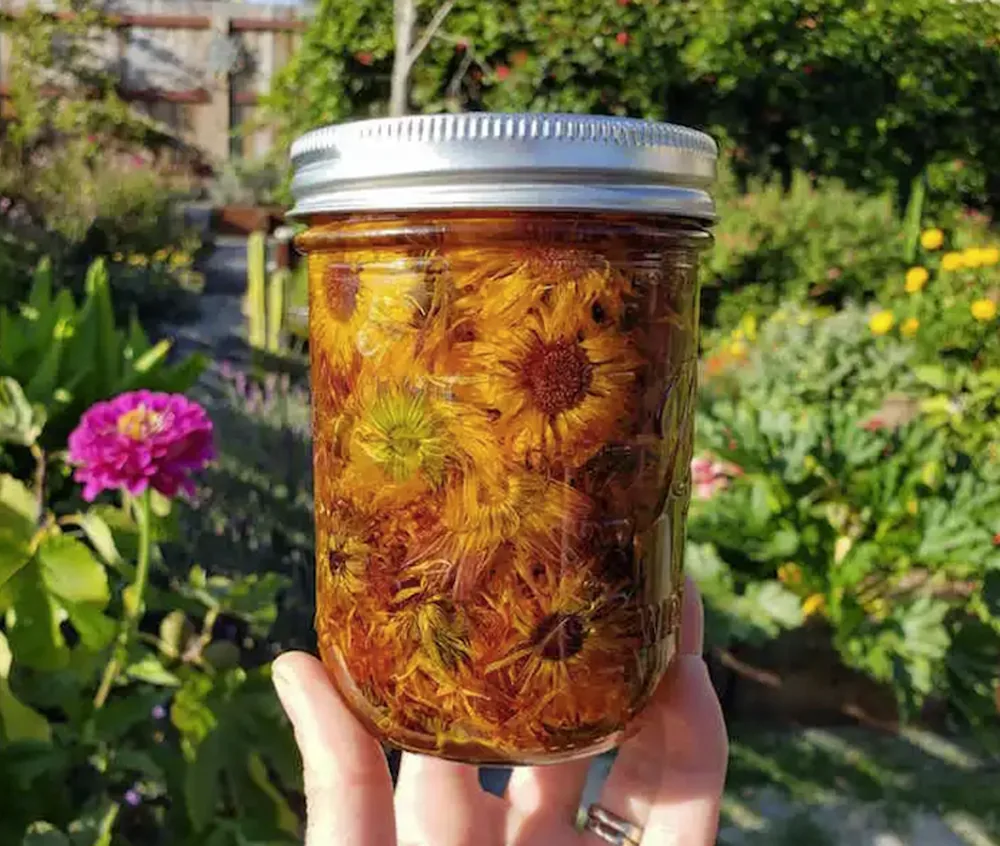
Calendula germinates quickly and reliably in ordinary soil, tolerates poor ground, and flowers within about two months of sowing. It self-seeds freely, so one packet realistically gives you calendula for years. Deadhead regularly and it will keep producing until frost.
Traditionally: The petals have a long history in folk practice of being dried and infused into oils and salves.
Worth knowing: If you only succeed with one plant from this kit, it will be this one.
Photo: Betty Cai / Wikimedia Commons (CC BY-SA 4.0)
Chicory
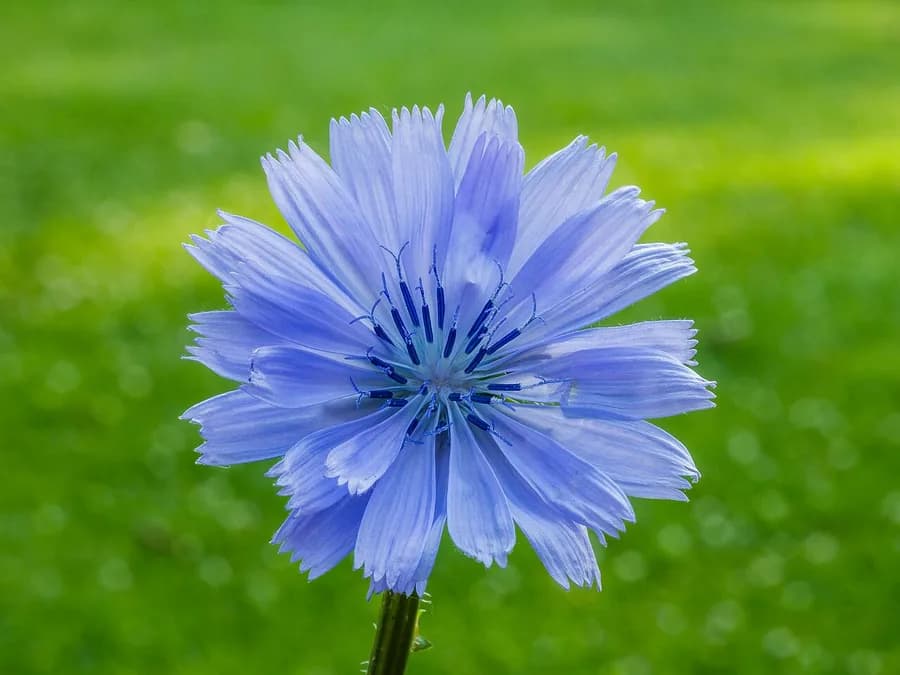
EasyCichorium intybus · Perennial
Chicory forms a deep taproot, so direct sow where it will stay — it resents transplanting. It is genuinely drought tolerant once established and produces sky-blue flowers that open in the morning. Be aware it can naturalise readily in some regions.
Traditionally: The roasted root has been used historically as a coffee substitute and extender, particularly in Europe and the American South.
Worth knowing: Check whether chicory is considered invasive in your area before planting it out.
Photo: Agnes Monkelbaan / Wikimedia Commons (CC BY-SA 4.0)
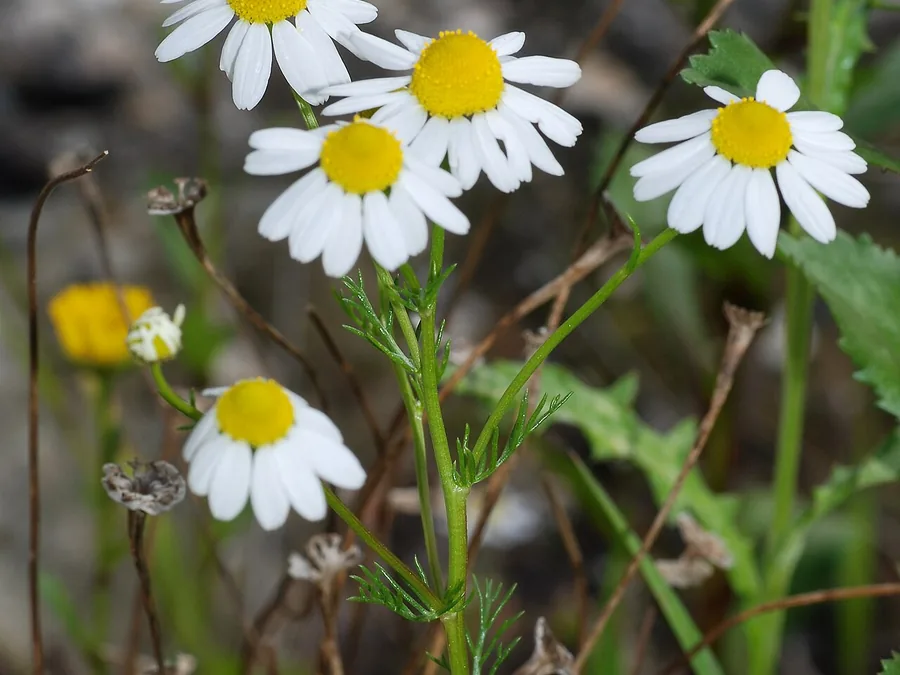
German Chamomile
EasyMatricaria recutita · Annual
The single most common mistake with chamomile is covering the seed. It requires light to germinate — press it onto the soil surface and keep it consistently moist until it sprouts. After that it is undemanding and will self-seed for following years.
Traditionally: The dried flowers have been taken as a calming tea across European folk tradition for centuries.
Worth knowing: Surface sowing means the seedbed must not be allowed to dry out. This is the one point where chamomile is fussy.
Photo: Alvesgaspar / Wikimedia Commons (CC BY-SA 3.0)
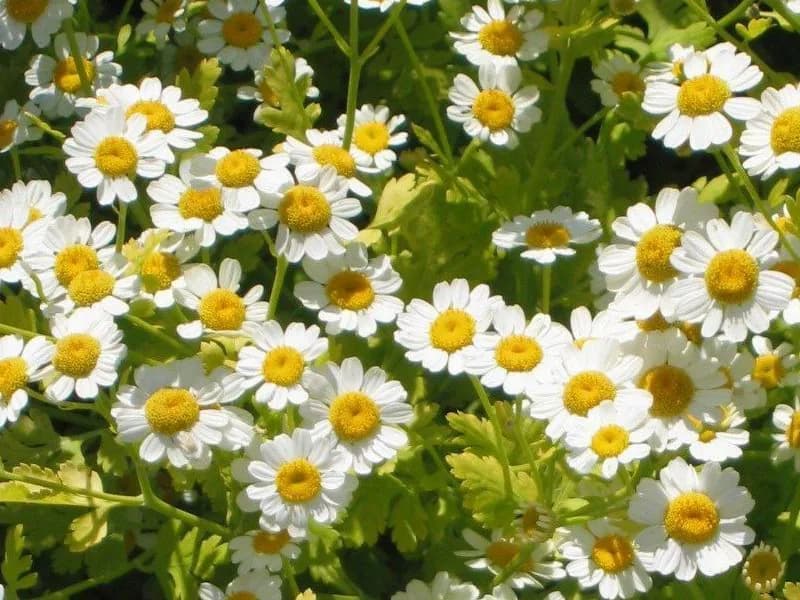
Feverfew
EasyTanacetum parthenium · Short-lived perennial
Like chamomile, feverfew needs light to germinate, so surface sow. Once established it self-seeds aggressively and will colonise a bed if you let it. Many gardeners treat it as a plant to contain rather than encourage.
Traditionally: Feverfew has a long documented history in European herbal tradition, where the leaves were used for headaches.
Worth knowing: Expect volunteers everywhere the following spring. Plant it where that is welcome.
Photo: Wikimedia Commons contributor / Wikimedia Commons (CC BY 2.5)
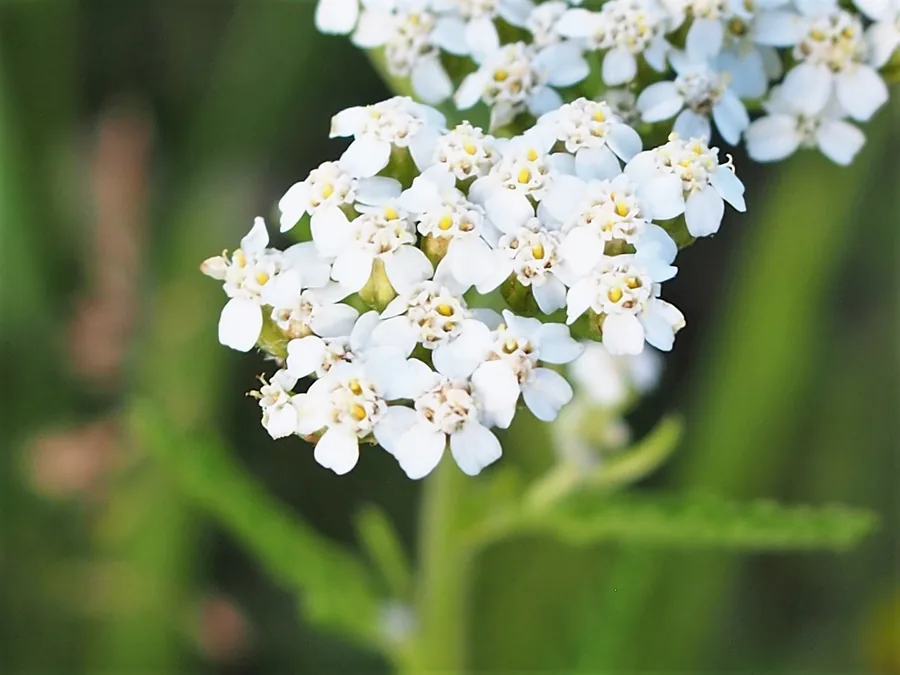
Yarrow
EasyAchillea millefolium · Perennial
Yarrow needs light to germinate and benefits from being started in trays where you can control moisture. It is slow in its first year and often does not flower until year two — this is normal and not a seed failure. Once established it is exceptionally hardy and spreads by rhizome.
Traditionally: Yarrow appears in wound-care folklore across many cultures; its botanical name references Achilles.
Worth knowing: Do not expect flowers the first summer. Patience here is normal, not failure.
Photo: Agnieszka Kwiecień (Nova) / Wikimedia Commons (CC BY-SA 4.0)
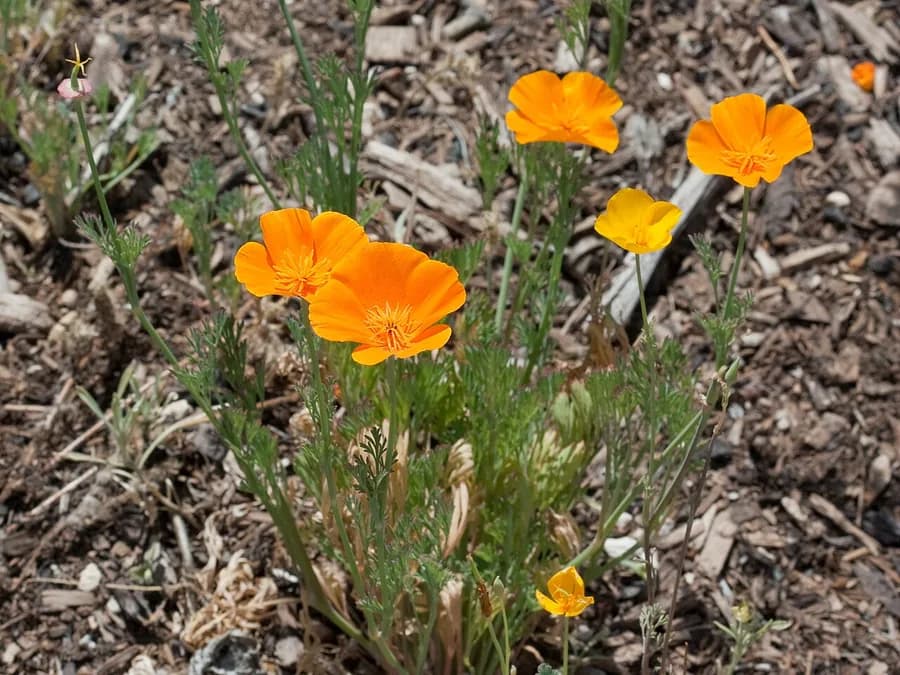
California Poppy
ModerateEschscholzia californica · Annual or short-lived perennial
California poppy forms a taproot and strongly dislikes root disturbance, so it must be direct sown where it is to flower — starting it in pots and transplanting is the usual cause of failure. It prefers cool soil and poor, well-drained ground. Overwatering and rich soil both reduce flowering.
Traditionally: Used in Californian folk practice, historically associated with rest and calm.
Worth knowing: Do not start this one indoors. Sow it directly or expect disappointment.
Photo: Kaldari / Wikimedia Commons (CC0)
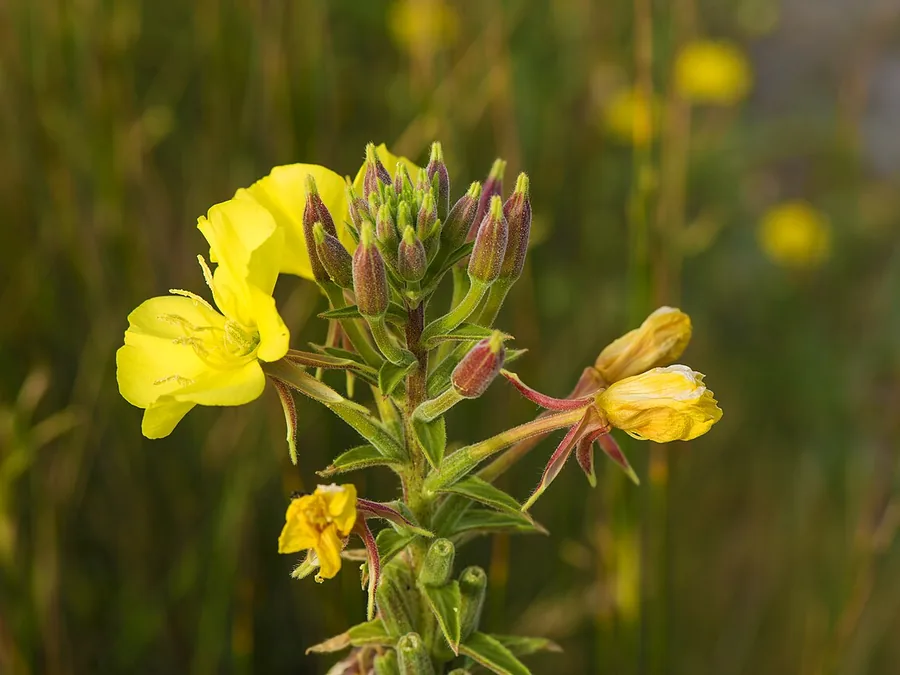
Evening Primrose
ModerateOenothera biennis · Biennial
Evening primrose spends its entire first year as a low rosette of leaves and does not flower until its second summer. Nothing has gone wrong if you see no flowers in year one — that is the plant's normal lifecycle. It self-seeds well, so after the initial wait it sustains itself.
Traditionally: The seed oil has a long history of traditional use; the flowers open at dusk, which gives the plant its name.
Worth knowing: This is the most commonly misdiagnosed 'failure' in the kit. It is a biennial. Year one is leaves only.
Photo: Christian Ferrer / Wikimedia Commons (CC BY-SA 4.0)
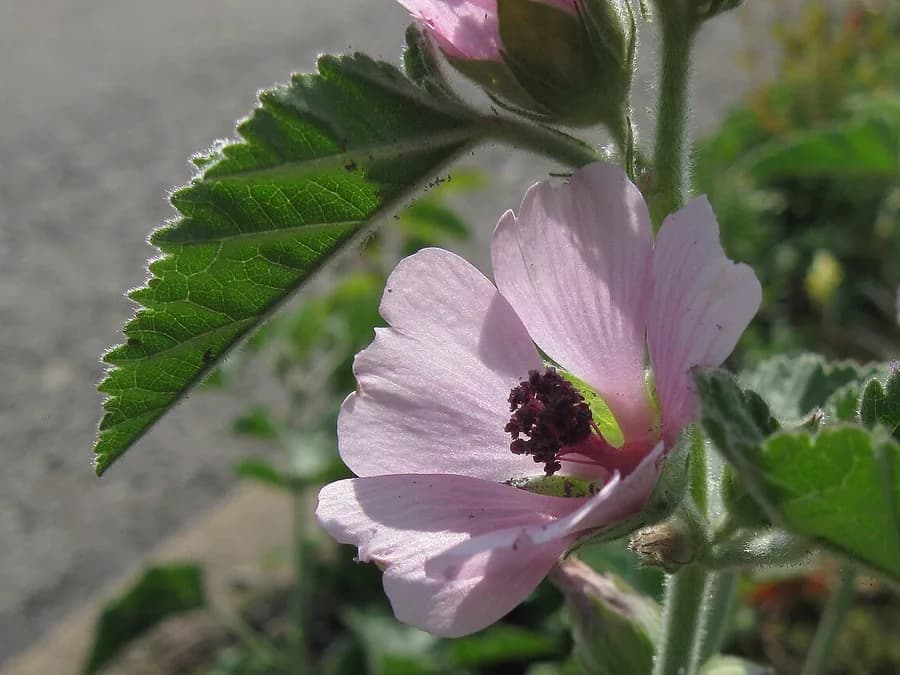
Marshmallow
HardAlthaea officinalis · Perennial
Marshmallow germination is noticeably more consistent after a few weeks of cold, moist stratification in the refrigerator. It also genuinely prefers damp ground — it is a plant of wet meadows — so it struggles in dry beds. Give it time and water and it becomes a large, long-lived perennial.
Traditionally: The mucilaginous root has been used traditionally as a soothing preparation; it is the plant that gave the confection its name.
Worth knowing: Stratify this one. Sown straight into warm soil, germination is often poor.
Photo: Cbaile19 / Wikimedia Commons (CC0)
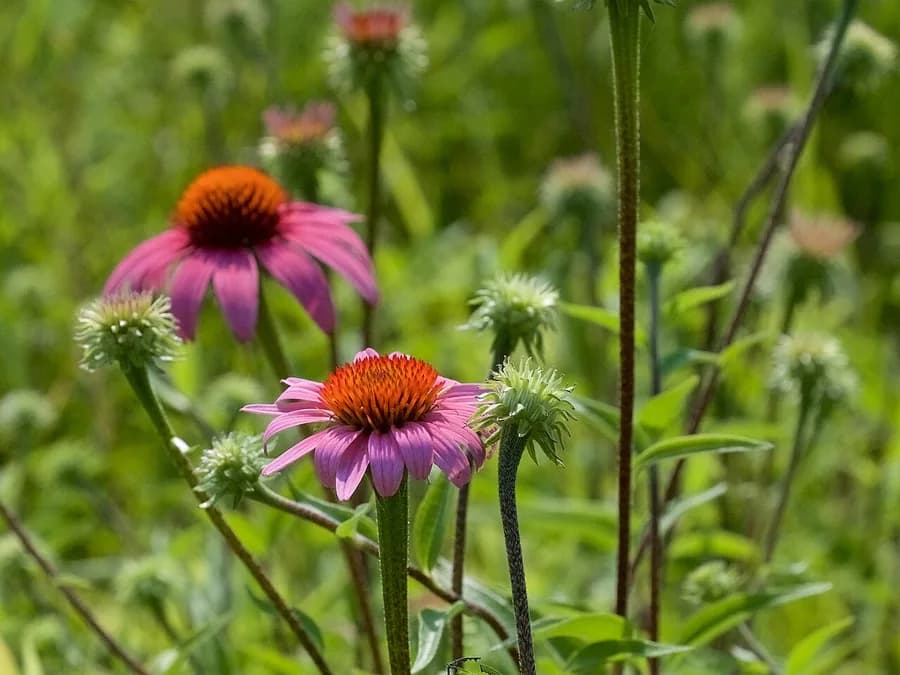
Echinacea (Purple Coneflower)
HardEchinacea purpurea · Perennial
Echinacea germinates erratically when sown straight into warm soil. Four weeks of cold, moist stratification — seed in damp sand or a barely-damp paper towel in a sealed bag in the refrigerator — dramatically improves both rate and evenness. It is a true perennial and commonly spends year one building a root system without flowering.
Traditionally: Echinacea has extensive documented use among Plains Indigenous peoples of North America.
Worth knowing: Along with lavender, this is the seed that generates the most complaints. Stratification is the difference between poor and good results.
Photo: Eric Hunt / Wikimedia Commons (CC BY-SA 4.0)
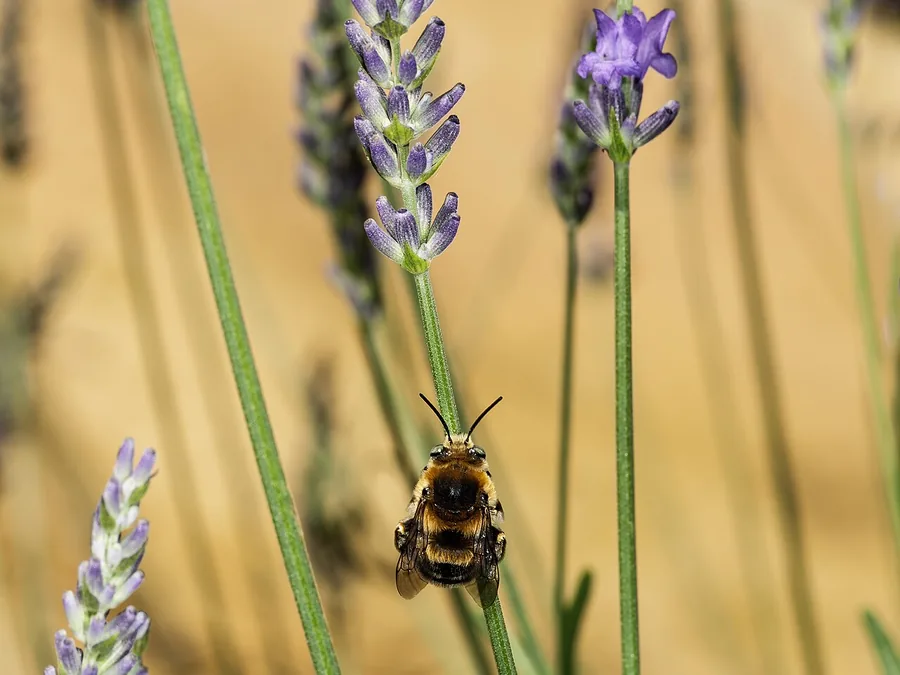
Lavender
HardLavandula angustifolia · Perennial
Lavender is well known among growers as slow and unreliable from seed — commercial nurseries typically propagate it from cuttings for exactly this reason. Expect uneven germination even when you do everything right. Cold, moist stratification helps, as does surface sowing with warmth and light and considerable patience. It also needs sharp drainage and dislikes wet feet.
Traditionally: Dried lavender has centuries of traditional use in sachets, infusions and aromatic preparations.
Worth knowing: If any seed in this kit underperforms for you, it will most likely be this one. That is the species, not the supplier.
Photo: Didier Descouens / Wikimedia Commons (CC BY-SA 4.0)
Affiliate link — opens the official product page.
Who Nicole Apelian actually is
Because the kit is sold under her name, her background is a reasonable thing to check — and it is worth being precise, because a number of other reviews get this wrong.

Nicole Apelian holds a bachelor's degree in biology from McGill University and a PhD from Prescott College, awarded in 2013, in Cultural Anthropology and Sustainability Education. Her doctoral research was conducted with San Bushmen communities in Botswana. She worked as a field biologist in Botswana, and she appeared on seasons 2 and 5 of the History Channel series Alone, lasting 57 days solo on Vancouver Island while living with multiple sclerosis.
Two corrections worth stating plainly. First, several review sites claim her PhD is from McGill — it is not; McGill is the bachelor's degree, and the doctorate is from Prescott College. Second, she is not a medical doctor. The “Dr.” in her marketing refers to a PhD in cultural anthropology, not a medical qualification. That is not a mark against her — her survival and ethnobotany credentials are real and verifiable — but it does mean this kit should be treated as a gardening product, not as health guidance.
Price, guarantee and how refunds actually work
The kit is $59 plus $4.99 shipping, paid once. There is no subscription and no recurring charge.
The 365-day money-back guarantee is the strongest part of the offer, and it is worth understanding why. Payment runs through Digistore24, a payment processor, rather than being collected by the seller directly. That means a refund request goes to the processor and not solely to the vendor's inbox — a materially better position for a buyer than a seller-administered promise.
A full year is also long enough to matter for a seed product. You can sow in spring, see what comes up, and still be inside the window in the following winter. Very few garden products give you a complete growing season to judge results.
What we would want you to know before buying
- These are seeds, not plants and not remedies. You need soil, light, water, a growing season and patience. Nothing in the box does anything on its own.
- Three species are genuinely difficult and the sales page does not emphasise it. Stratify them.
- Evening primrose will not flower in year one. It is a biennial. This is the most commonly misread “failure” in the kit.
- The guide describes traditional use. Historical use of a plant is not clinical evidence that it works, and this review makes no claim that any of these plants treats anything.
- Ignore the “last kits available” countdown on the sales page. It is a seed product. Whatever urgency the timer implies, the decision deserves however long you want to take.
- Check chicory before planting out. It naturalises readily and is treated as invasive in some regions.
Should you just buy the seeds separately?
For some readers, yes — and we would rather say so than pretend the kit is the only sensible route.
Every species here is widely available individually from established seed suppliers, and buying ten packets yourself would generally cost less than $59. If you already garden, already know which herbs you want, and do not need a printed reference, buying separately is the cheaper and more flexible option. You also get to choose your own varieties and quantities.
What the kit actually gives you for the difference is threefold:
- Curation — someone has chosen a coherent themed set, which removes the research step for a beginner
- A printed guide tying the ten species together in one physical reference
- A 365-day guarantee, which is far longer than the typical seed retailer offers
Whether that bundle is worth the premium depends entirely on which kind of buyer you are. Beginner who wants a decided-for-you starting point: reasonable value. Experienced gardener with preferred suppliers: buy the seeds separately.
The verdict
The Medicinal Garden Kit is a legitimate, fairly priced themed seed collection with an unusually generous guarantee. It is not a shortcut to anything, and it is not medicine. Bought as what it actually is — a curated set of ten heirloom herb seeds with a printed reference — it is decent value for a beginner, and the year-long refund window removes most of the risk of finding out.
Go in knowing that lavender and echinacea will test your patience, that evening primrose is playing a two-year game, and that a refrigerator and three weeks of forethought will meaningfully improve your results.
Affiliate link. 365-day money-back guarantee, processed via Digistore24.
Frequently asked questions
How much does the Medicinal Garden Kit cost?
Is there really a 365-day guarantee?
How many seeds do you actually get?
Are the seeds non-GMO?
Which seeds in the kit are hardest to grow?
Will I get flowers in the first year?
Is Nicole Apelian a medical doctor?
Can I just buy these seeds separately?
How we researched this: we reviewed the current sales page and vendor documentation, verified Nicole Apelian's credentials against primary sources, and drew the germination guidance from established horticultural practice for each species. We have not grown this kit ourselves and do not claim to have. If that changes, we will update this page and say so. More about how we work.